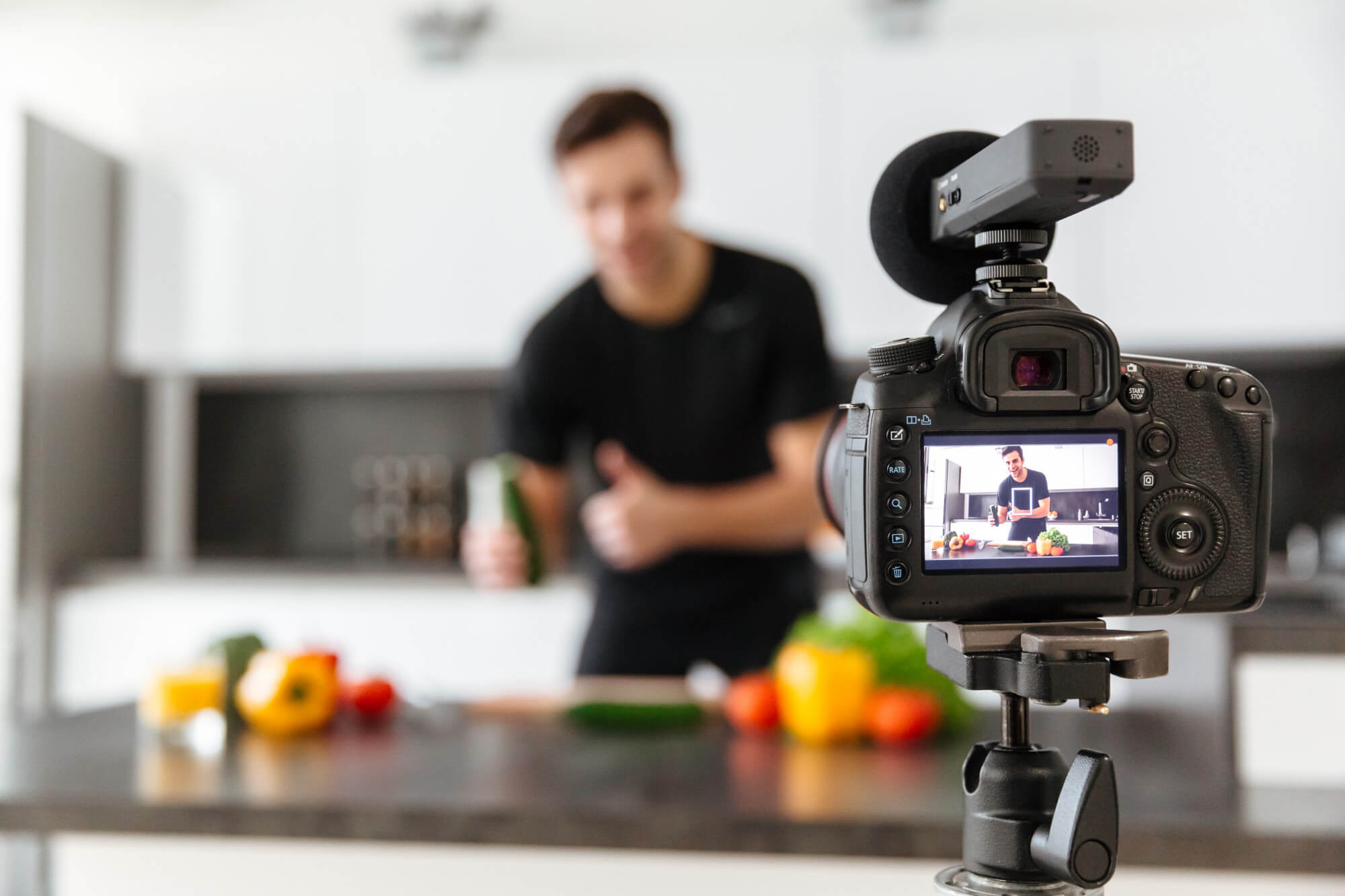
Short-form video has moved from a novelty into a foundational marketing channel. With attention spans shrinking, mobile-first consumption rising, and platform algorithms rewarding snackable creative, brands that learn to do short-form right win reach, engagement, and measurable business value. This deep-research guide explains why short-form video matters, what the data says, how to build a strategic program, measurement approaches, creative best practices, risks to watch, and what’s coming next.
Executive summary (what you need to know)
Short-form video (typically 5–60 seconds) drives higher engagement than many other formats and is rapidly growing across platforms such as TikTok, Instagram Reels, and YouTube Shorts. Studies and industry reports indicate that short-form video boosts brand recognition, supports the buyer journey, and lifts conversions when used strategically in the funnel. Brands should treat short-form as both a discovery engine and a conversion contributor — with measurement that combines platform analytics, site analytics, and incrementality tests. HubSpot+1
The evidence — headline stats you can’t ignore
- A large share of consumers prefer short videos to learn about products and services; industry surveys show video (especially short clips) overtakes text as the preferred learning format. HubSpot+1
- Short-form additions to a media mix can improve brand recognition and impact every stage of the buyer journey — WARC’s research (in partnership with TikTok) reports measurable uplifts in recognition when short-form is used strategically. warc.com
- Platform engagement differences exist (TikTok, Reels, Shorts vary by audience and format), but short-form’s overall consumption and ad spend are increasing rapidly across regions. Industry trackers show YouTube Shorts and TikTok often lead on engagement metrics, with Reels rapidly expanding share in markets like India. Socialinsider+1
(References for deeper reading are listed inline throughout the piece.)
Why short-form works — psychology + platform mechanics
- Attention economy alignment. People scroll fast. Short clips that hook immediately match behavior: they can be consumed, rewatched, and shared in seconds.
- Algorithmic amplification. Platforms prioritize content that retains users; short videos that achieve high watch-through and replays get recommended more often, multiplying reach without proportional spend.
- Low barrier to entry + authenticity. Creators and brands can produce vertical, casual videos on phones; audiences reward authenticity over polish, enabling smaller brands to compete with bigger budgets.
- Repurpose potential. Clips can be sliced from longer content, turned into teasers, or adapted across platforms — increasing efficiency.
Strategic roles of short-form video across the funnel
Short-form isn’t just for awareness. Use it deliberately across funnel stages:
- Awareness: Trend participation, brand POVs, fast storytelling. Great for reach and cultural relevance.
- Consideration: Quick demos, comparison highlights, FAQs. Short videos can explain product value clearly in under a minute.
- Conversion: Social commerce features, shoppable Reels/Shorts, urgency-driven offers, and testimonial clips. Interactive and shoppable formats are elevating the conversion potential of short clips. Storyly
- Retention: Tips, feature highlights, community content — short videos keep customers engaged post-purchase.
Creative playbook — formats, hooks, and structure
What works consistently across platforms?
- Hook in 0–3 seconds. Lead with a surprising fact, an emotional trigger, or a clear visual hook.
- One idea, one CTA. Don’t cram multiple messages—pick one outcome (watch, click, save, shop).
- Sound & captions. Use sound (or text overlays) to maximize discovery; always include captions for silent autoplay viewers.
- Native editing & loopability. Use quick cuts, on-screen text, and looping edits so the video rewards replays.
- Experiment with formats: how-to, POV, before/after, unboxing, micro-case studies, creator collaborations. Test 3–5 creative concepts per campaign and scale winners.
Practical tip: build a template library (intro frames, lower thirds, end slates) so creators can produce on-brand short clips quickly.
Platform differences — pick your lane (and test)
- TikTok: Culture and trends-driven; high organic potential for novel creative and influencer collaborations. Strong for discovery among Gen Z and younger Millennials.
- Instagram Reels: Leverages existing Instagram audiences and shopping integrations; increasingly prioritized by Meta in the feed and Explore surfaces. Strong in markets with high Instagram penetration. Reuters
- YouTube Shorts: Benefit of YouTube’s search and long-form ecosystem; Shorts can act as discovery that funnels viewers to longer product explainers or channel content.
- Platform choice depends on: target demographics, creative style, and conversion path. Run identical creative on multiple platforms in early tests to compare creative resonance and CPM/CPV across placements.
Measurement — how to show impact beyond vanity metrics
Short-form success requires a measurement plan that ties creative performance to business outcomes.
- Tier 1: Platform metrics (views, watch-through rate, engagement): good for creative optimization and algorithmic signals.
- Tier 2: Site behavior (click-through, landing page engagement, micro-conversions): connect social posts to UTM-tagged destinations and track behavior in analytics.
- Tier 3: Conversion lift & incrementality: use geo-experiments, holdout audiences, or split tests to measure causal impact on conversions and sales. WARC and other industry bodies recommend combining modeling with experiments for robust attribution. warc.com
- Combine with MMM or media mix models where appropriate to capture longer-term, brand-building effects that feed into search and organic channels.
Aim to report a balanced dashboard: creative health (CTR, watch time), activation (site CTR, add-to-cart), and business outcomes (revenue, ROAS, LTV).
Case examples & evidence (what research shows)
- WARC’s analysis with TikTok found that integrating short-form into the media mix increased brand recognition and helped move audiences through the buyer journey. This suggests short clips are effective both for discovery and incremental performance when messages are crafted for platform behavior. warc.com
- Platform benchmarks show YouTube Shorts and TikTok often lead engagement metrics, while regional differences (e.g., Reels’ dominance in India) mean local testing is essential. HubSpot+1
- Studies and vendor reports indicate video on product pages and shoppable clips materially lift conversions when optimized (interactive/shoppable formats can increase purchase intent and conversion rates). Storyly+1
Budgets & ROI — how to plan spend efficiently
- Start small and scale winners. Test multiple creative concepts with small budgets, then shift more spend toward the best performing creative + placements.
- Mix organic and paid. Organic reach can discover content and creators; paid distribution scales proven creative.
- Factor production efficiency. Reuse and repurpose to keep CPMs low (e.g., clip 1 long video into five short assets).
- Attribute incrementally. Use testing (geo, time, holdout) to estimate lift and avoid double-counting conversions from overlapping channels.
Many marketers report short-term ROAS improvements with short-form ads but the highest long-term value comes from integrating these clips into a broader funnel where they support search, retention, and brand equity.
Risks, ethics, and platform dependency
- Algorithm risk. Overreliance on one platform leaves you vulnerable to policy or algorithm changes. Diversify placements.
- Safety & brand risk. Trends that reward extreme behavior can be harmful; vet creator content and set clear brand safety rules. Recent news highlights real-world risks when creators chase viral stunts — brands must avoid incentivizing dangerous behavior. The Times of India
- Measurement bias. Beware of over-interpreting views; focus on lift experiments and downstream metrics.
- Privacy & commerce compliance. Ensure shoppable clips and data collection follow regional commerce and privacy laws.
The near future — trends to watch
- Shoppable short-form video will expand as platforms deepen commerce features; expect direct purchase flows inside Reels, Shorts, and TikTok. Storyly
- AI-assisted creative for captions, cuts, and A/B variations will speed production and iteration.
- Interactive formats (polls, AR try-ons) will make short clips more converted-focused.
- Cross-format sequencing: leading brands will stitch short and long form into journeys (Short → Long → Conversion) to maximize both discovery and education.
Quick playbook: 8 steps to launch a results-driven short-form program
- Define the key business metric (awareness, leads, purchases).
- Choose 1–2 platforms and map funnel roles.
- Produce 8–12 creative variants (3–5 concepts × formats).
- Launch small paid tests with UTM tagging.
- Measure platform KPIs + site micro-conversions.
- Run an incrementality or geo-holdout test for causal impact.
- Scale winners and repurpose across channels.
- Report a unified view: creative health → activation → business impact.
References & further reading
Key industry sources cited in this guide:
- HubSpot — video & short-form platform stats and engagement benchmarks. HubSpot
- WARC (research in partnership with TikTok) — short-form video impact on brand recognition and purchase funnel. warc.com
- Socialinsider & platform benchmark studies — comparative engagement analysis for TikTok, Reels, Shorts. Socialinsider
- Storyly / Firework — video commerce & shoppable video trends and conversion impact. Storyly+1
- Market & regional reporting (e.g., Meta/IPSOS study coverage) — regional platform adoption and Reels growth in India. The Times of India
FAQ — Short-form Video in Marketing
A: Generally 15–60 seconds; optimal length depends on platform and objective. Aim for 15–30s for awareness and 30–60s for explainers or product demos. Content Whale
A: Conversion depends on audience and funnel design. TikTok often drives strong discovery and intent among younger audiences; Reels and Shorts can funnel users to shopping features or your site. Test and measure for your product and region. Socialinsider
A: Not always. Influencers can accelerate reach and trust, but many brands see strong results with in-house creative and user-generated content. Mix both approaches strategically.
A: Combine platform KPIs (views, watch time) with site analytics (UTM-tagged traffic, add-to-cart) and run incrementality tests or MMM to estimate causal impact on sales. warc.com
A: Yes. Use short clips for product highlights, quick case study bites, executive POVs, and event snippets. Short content can drive awareness and funnel prospects to long-form demos or gated assets.