If you’ve been in digital marketing long enough, you probably remember when ranking #1 on Google almost guaranteed traffic.
That’s no longer the case.
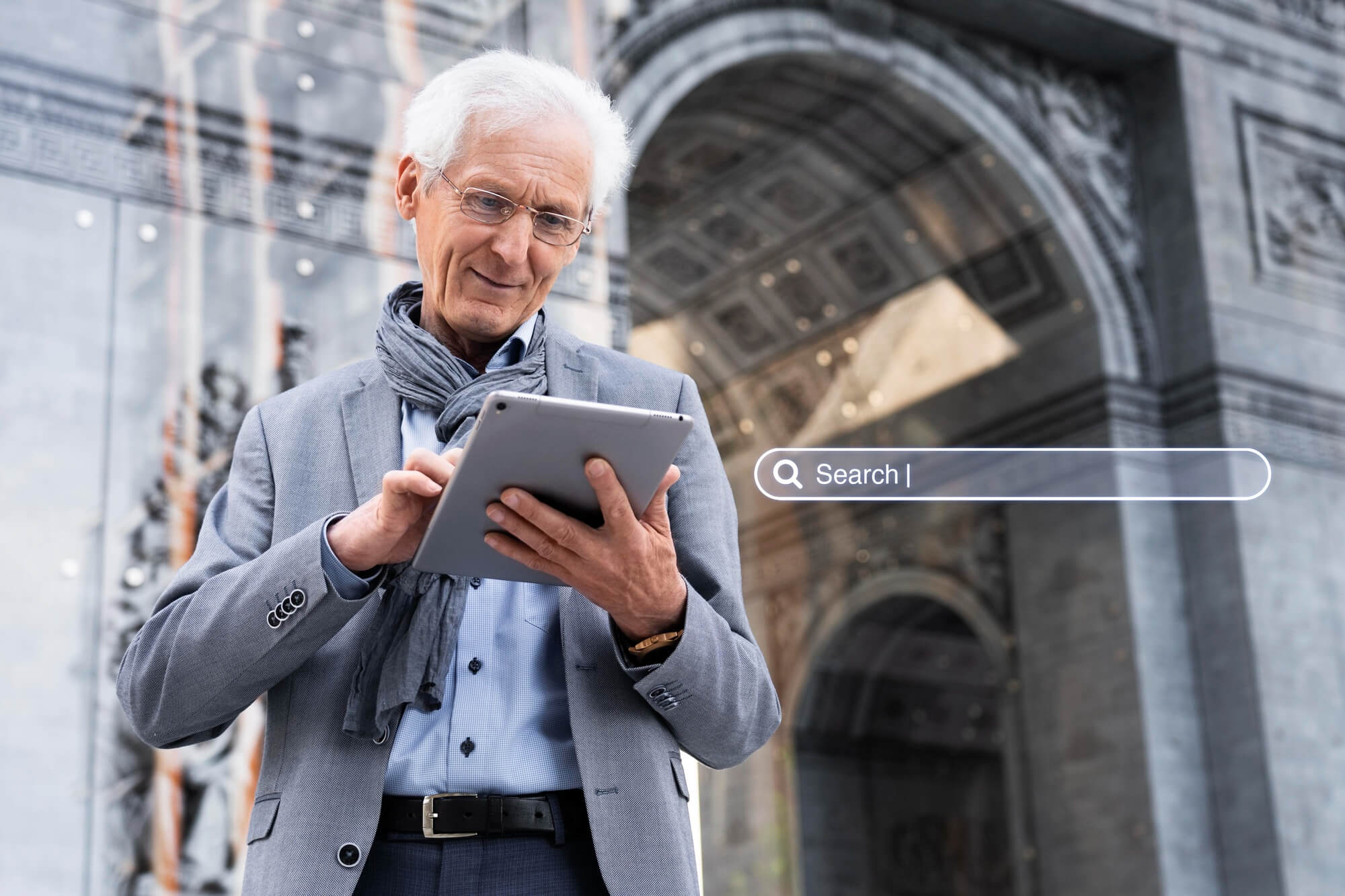
Over the past few years — especially across the U.S. and Canada — we’ve seen a dramatic shift in how people consume information online. Users are getting answers directly on search engine results pages (SERPs), inside social feeds, and within AI-generated summaries. They’re finding what they need without clicking through to a website.
This shift is what we now call zero-click marketing.
After 15+ years working in SEO and digital strategy, I can confidently say: zero-click search isn’t killing SEO — it’s redefining it.
Let’s break down what’s happening, why it matters, and how brands across North America should adapt.
What Is Zero-Click Marketing?
Zero-click marketing refers to digital strategies that prioritize brand visibility and engagement even when users don’t click through to a website.
In search, this happens when users:
- Get answers from featured snippets
- Read Google AI Overviews
- See knowledge panels
- Use “People Also Ask” boxes
- View local map results
- Find answers directly on social platforms
In these cases, users get the information they need without leaving the search results page.
According to multiple industry studies, more than half of Google searches in the U.S. now result in zero clicks. Canada is showing similar behavioral patterns.
But here’s the key insight: visibility still matters — even without traffic.
Why Are Zero-Click Searches Increasing?
There are several major forces driving this shift:
1. AI-Driven Search Results
Search engines now prioritize quick, summarized answers. AI-powered search experiences extract information directly from websites and display it instantly.
Users want speed. Search engines deliver it.
2. Mobile-First Behavior
In both the U.S. and Canada, mobile searches dominate. On smaller screens, featured snippets and knowledge panels take up most of the real estate.
Users rarely scroll past them.
3. Platform-Native Consumption
People increasingly search directly on:
- YouTube
- TikTok
Social platforms function as search engines themselves. Many users never visit a brand’s website.
4. Local Search Dominance
For businesses targeting U.S. and Canadian markets, local pack results (maps listings) often answer questions before users visit a site.
Example: “best digital marketing agency Toronto”
Users see ratings, phone numbers, directions — without clicking a website.
Is Zero-Click Search Bad for SEO?
This is one of the most common “People Also Ask” questions:
Is zero-click search hurting website traffic?
Short answer: it can reduce traditional organic clicks.
But that doesn’t mean it reduces brand impact.
In fact, zero-click visibility can:
- Increase brand recognition
- Build topical authority
- Improve trust signals
- Influence purchase decisions later
Think about it this way: if your brand consistently appears in featured snippets, AI summaries, and knowledge panels, you become the visible authority — even if users don’t click immediately.
Brand recall becomes the new metric.
What Does Zero-Click Marketing Mean for SEO Strategy?
SEO in 2026 is no longer just about traffic volume. It’s about:
- Search visibility
- Brand impressions
- Authority signals
- Multi-platform presence
Here’s how strategy must evolve.
1. Optimize for Featured Snippets & AI Overviews
If search engines are extracting answers, you want them extracting yours.
Structure content with:
- Clear definitions (40–60 words)
- Question-based headings
- Bullet lists
- Data-backed explanations
- Direct answers to “what,” “why,” and “how” questions
For example:
What is zero-click search?
Zero-click search occurs when users get the information they need directly from search results without clicking through to a website.
Simple. Direct. Structured.
That’s what algorithms prefer.
2. Focus on “People Also Ask” Queries
In both U.S. and Canadian markets, question-based searches dominate.
Common related queries include:
- What percentage of searches are zero-click?
- How do I optimize for zero-click searches?
- Is SEO still relevant in 2026?
- What is zero-click content marketing?
Building blog content that directly answers these questions improves your chance of being featured in expandable PAA sections.
3. Strengthen Brand Signals
When users don’t click, recognition becomes critical.
This means:
- Consistent brand messaging
- Strong Google Business Profile optimization
- High-quality backlinks
- Active LinkedIn and social visibility
- Author profiles with expertise signals
Google increasingly favors experience and expertise. Brands that demonstrate real-world authority perform better in AI-driven search environments.
4. Prioritize Local Visibility in the U.S. & Canada
For businesses targeting North American markets, local SEO plays a major role in zero-click results.
Local packs often include:
- Reviews
- Hours
- Phone numbers
- Service categories
- Directions
Optimizing for cities like New York, Los Angeles, Toronto, Vancouver, and Chicago requires:
- Location-specific landing pages
- Structured local schema
- Consistent NAP data
- Review generation strategies
Local impressions can drive calls and inquiries without website visits.
5. Shift KPIs Beyond Clicks
Another frequent question marketers ask:
How do you measure zero-click marketing success?
Traditional metrics like traffic and bounce rate are no longer enough.
Instead, monitor:
- Search impressions
- Brand search volume
- Featured snippet ownership
- Knowledge panel visibility
- Direct traffic growth
- Assisted conversions
Often, zero-click exposure contributes to later conversions via branded searches.
Visibility creates familiarity. Familiarity builds trust.
6. Expand Content Beyond Google
Search behavior is expanding across platforms.
In the U.S. and Canada:
- YouTube is the second largest search engine.
- LinkedIn drives B2B discovery.
- TikTok influences younger demographics.
Zero-click marketing includes:
- Native LinkedIn articles
- Informative Instagram posts
- Educational short-form videos
- On-platform answers
Meeting users where they search matters more than forcing them to visit your site.
7. Build Content That Teaches, Not Just Ranks
Search engines increasingly reward helpful, experience-based content.
Ask yourself:
- Does this content solve a real problem?
- Does it demonstrate experience?
- Would someone bookmark this?
In my experience, brands that focus purely on keyword stuffing struggle in zero-click environments.
Those that educate deeply become the source AI systems reference.
Frequently Asked Questions About Zero-Click Marketing
Industry data suggests that more than 50% of searches in North America end without a click. Mobile search results drive a significant portion of this trend.
Businesses benefit by increasing brand exposure, authority, and recognition. Even without clicks, appearing in search features strengthens credibility and influences future purchase decisions.
Absolutely. SEO now focuses on visibility, structured content, brand trust, and multi-channel discovery — not just traffic.
The Future of SEO in the U.S. & Canada
Zero-click marketing isn’t temporary.
AI-generated summaries, conversational search, and platform-native content will continue expanding.
Brands that succeed will:
- Embrace structured content
- Demonstrate expertise
- Strengthen local visibility
- Diversify across platforms
- Track impression-based performance
The shift is not about losing traffic. It’s about gaining authority.
Final Thoughts
Zero-click marketing represents one of the biggest shifts in digital strategy in the past decade.
After 15 years in this industry, I’ve seen search evolve from directory listings to AI-powered answers. What hasn’t changed is this:
Brands that prioritize value, clarity, and trust always win.
If your strategy still revolves only around clicks, it’s time to adapt.
Visibility is the new currency.
Authority is the new ranking.
And in the U.S. and Canadian markets, brands that understand this shift early will lead the next phase of digital growth.